Liver cancer is one of the most aggressive cancers, and its pace of spread is often underestimated.
For patients considering treatment abroad, the question isn’t just about cost. Timing can make the difference between curative treatment and limited palliative care.
This guide explains how fast liver cancer spreads without treatment, what it means for survival, and why acting quickly is critical if you are planning medical travel.
How Fast Does Liver Cancer Spread Without Treatment?
Liver cancer can double in size within 6–12 months, and once it spreads to other organs, survival without treatment often drops below 4 months.
Key Takeaways
- Liver cancer growth varies, but many tumors double in size within 6–12 months.
- Without treatment, advanced liver cancer often leads to survival of less than 4 months.
- Spread usually occurs to the lungs, bones, or lymph nodes.
- Progression speed depends on liver function, tumor grade, and underlying disease.
- For medical tourism patients, early treatment abroad can significantly improve options.
Understanding Liver Cancer & Types
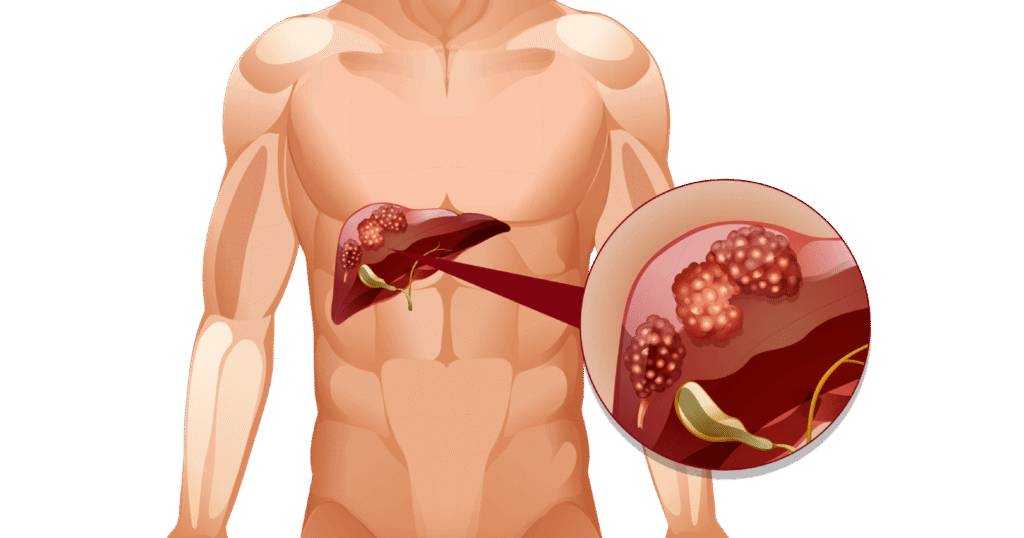
Liver cancer is not a single disease. The most common form is hepatocellular carcinoma (HCC), followed by intrahepatic cholangiocarcinoma. Both are considered primary liver cancers.
Secondary liver cancer occurs when cancer spreads to the liver from another organ, such as the colon or pancreas. This type often progresses faster because it arrives already aggressive.
Tumor grade and differentiation also affect spread. High-grade tumors are poorly differentiated and tend to grow quickly, while low-grade ones may expand more slowly.
Growth Rate in Untreated Liver Cancer
Studies show that untreated HCC tumors often double in size within several months. One large study found the average doubling time to be around 212 days in patients with hepatitis B and 328 days in those with hepatitis C.
However, tumor growth is not uniform. In some patients, cancer may remain small for years. In others, it can quickly invade blood vessels or bile ducts, accelerating spread.
Underlying factors such as cirrhosis, viral hepatitis, or weakened immunity can push the disease to progress much faster.
Metastasis & Spread: When and Where
Cancer cells spread from the liver mainly through blood vessels and lymph nodes. Once detached, they travel to new sites where they begin to grow again.
The lungs are the most common site of metastasis, followed by bones, lymph nodes, and the abdominal lining. This widespread involvement is what makes late-stage disease so hard to control.
Median survival without treatment is grim. For stage IV liver cancer, survival can be under 4 months. In cases of metastatic colorectal cancer that reaches the liver, survival without treatment is often less than 8 months.
Some patients live slightly longer depending on tumor burden and remaining liver function, but once metastasis occurs, progression is typically rapid.
Survival & Prognosis Without Treatment
Prognosis depends heavily on the stage of diagnosis. Early liver cancer that remains untreated may allow survival of a year or two, but progression is likely.
At advanced stages, the five-year survival rate without treatment drops to around 3%. Patients with stage IV disease face an average life expectancy measured in weeks to months if therapy is not started.
Factors such as liver reserve, presence of cirrhosis, and overall health can shorten or extend survival. Unfortunately, even the strongest patients see outcomes worsen quickly without care.
Implications for Medical Tourism Patients
For international patients, time is a decisive factor. Delaying treatment while arranging travel can mean missing the best treatment window.
Destinations like India and the UAE are well known for their specialized cancer centers. They provide fast diagnostics, multidisciplinary teams, and more affordable treatment compared to Western countries.
Patients from the GCC, Africa, or the UK should ask hospitals abroad about waiting times, availability of advanced therapies, and coordinated care for travelers.
Key point: because liver cancer can spread within months, medical tourists should act swiftly to avoid delays in treatment.
Key Considerations & Caveats
Every patient is unique. Growth rates reported in studies represent averages, not guarantees.
Some tumors remain relatively stable, while others are highly aggressive. Genetic factors, immune status, and liver function all play major roles in progression.
Regular imaging and timely consultation with specialists are essential. Patients should never assume their cancer will behave like the “average” case.
Why Choose Globalite Health for Your Liver Cancer Treatment
At Globalite Health, we specialize in guiding international patients to world-class liver cancer treatment centers in India and the UAE.
Our team helps you with fast diagnostic access, travel coordination, and direct connections to leading oncologists. By minimizing delays, we ensure you don’t lose valuable time in your treatment journey.
If you or a loved one is facing liver cancer, connect with Globalite Health today to explore your treatment options abroad.
Frequently Asked Questions
1. How early can liver cancer spread?
Liver cancer can begin spreading within months, especially if tumors are aggressive.
2. Can untreated liver cancer stay stable?
In rare cases, tumors remain slow-growing, but most progress without treatment.
3. What’s the fastest form of liver cancer?
Poorly differentiated hepatocellular carcinoma tends to spread the fastest.
4. How long can someone live with untreated liver cancer?
Advanced cases may lead to survival of less than 4 months without treatment.
5. Does liver cancer always metastasize?
Most cases eventually spread, but the timeline varies by patient and tumor type.
6. Is treatment always better than no treatment?
Yes. Even palliative treatment can extend life and improve quality of living.
Conclusion
Liver cancer spreads quickly in many cases, often doubling in size within months and reaching other organs soon after.
For patients considering medical tourism, time is critical. Acting early can open the door to advanced therapies and better outcomes.
If you’re weighing your options, don’t wait. Seek care promptly, and consider international treatment pathways that can give you the best chance at timely intervention.