

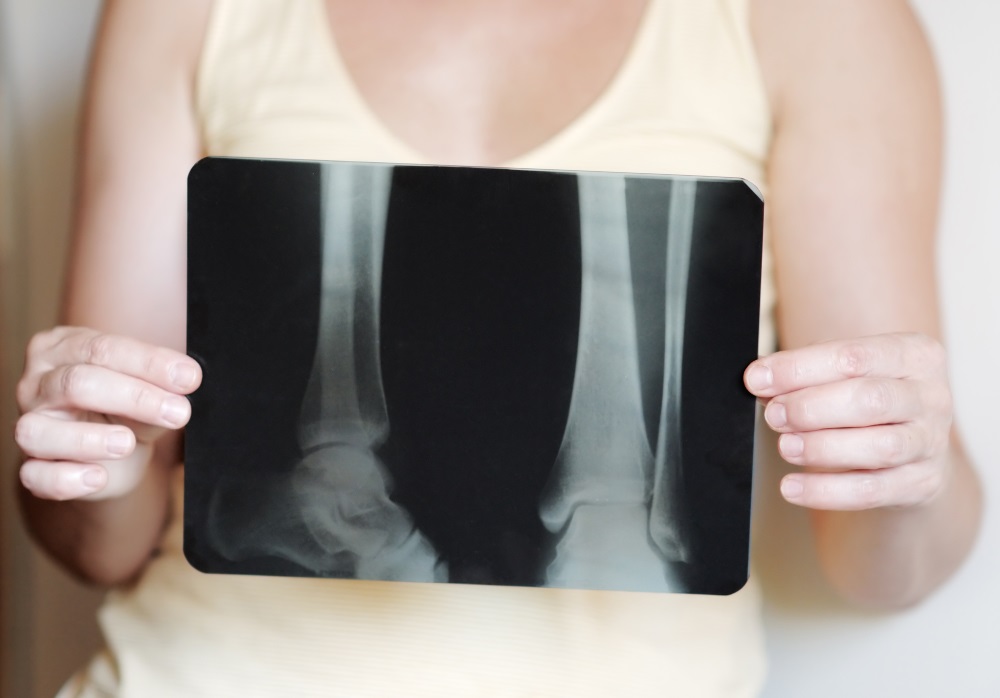
Hearing the words “bone marrow edema” on a scan report can feel alarming. For many patients, the immediate question is: could this mean cancer?
Bone marrow edema, or BME, is not a disease itself. It’s a sign that something is happening inside your bones. Sometimes that’s as simple as an injury, but in rare cases, it could be linked to cancer.
If you’re seeking care abroad, knowing when to worry and where to go for answers can help you feel more in control.
Can Bone Marrow Edema Be Cancer?
Yes, bone marrow edema can sometimes be linked to cancer, but in most cases, it comes from non-cancerous causes like injury or arthritis.
Key Takeaways
- Bone marrow edema (BME) appears as excess fluid in the bone marrow, typically visible on MRI scans.
- Most BME cases are from benign causes like injury or arthritis, but some are linked to cancer.
- Tumors, bone metastases, or hematologic cancers may trigger BME.
- Accurate diagnosis requires MRI, blood tests, and sometimes a biopsy.
- Medical tourists should seek expert centers in India or the UAE for precise evaluation.
What Is Bone Marrow Edema?
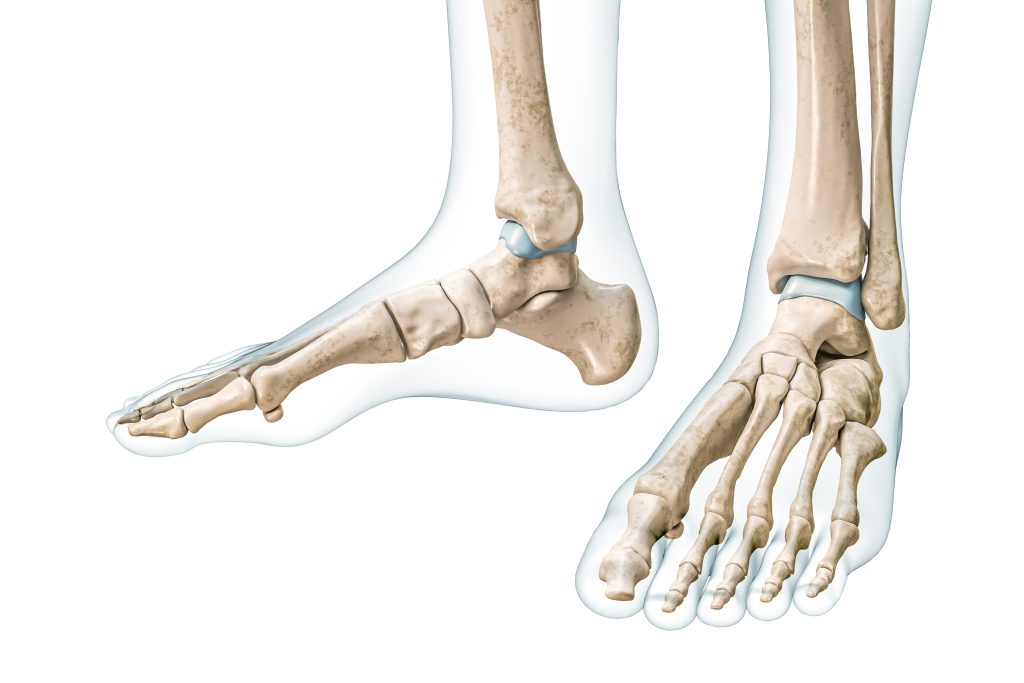
Bone marrow edema is a condition in which excess fluid accumulates within the bone marrow. Doctors usually detect it through MRI scans, where it shows as bright white areas.
There are two broad types:
- Primary BME (bone marrow edema syndrome) occurs without a clear underlying disease.
- Secondary BME, where another condition, like trauma, infection, or cancer, causes the changes.
Knowing which type you have is crucial for treatment.
How Common Is BME as a Sign of Cancer?
Most cases of BME are not caused by cancer. Trauma, arthritis, and other joint problems are far more common culprits.
That said, cancer can sometimes cause or mimic bone marrow edema. This includes:
- Primary bone tumors like osteosarcoma or chondrosarcoma.
- Metastatic cancers that spread to the bone from the breast, lung, or prostate.
- Hematologic cancers such as leukemia, lymphoma, or multiple myeloma.
In these cases, BME may appear as a reactive zone around the tumor, making an accurate diagnosis essential.
Why Cancer Can Cause Bone Marrow Edema
Cancer affects bone marrow in several ways:
- Tumor cells invade and disrupt normal bone structure.
- Blood vessels around tumors leak fluid, leading to swelling.
- Metastases can weaken bone and trigger microscopic fractures.
On MRI scans, cancer-related edema may look different from benign edema, often showing irregular or aggressive patterns. Radiologists use these clues to raise suspicion for malignancy.
Other Causes of Bone Marrow Edema
Not every case is cancer. In fact, most are not. Other frequent causes include:
- Trauma or stress fractures from accidents or sports.
- Arthritis and wear-and-tear changes in older adults.
- Osteonecrosis (bone death due to poor blood flow).
- Infections such as osteomyelitis.
- Bone marrow edema syndrome (BMES) is a rare condition with no clear cause.
These are often treatable with rest, medications, or minor procedures.
How Doctors Diagnose the Cause of BME
Diagnosis usually involves a mix of tests and evaluations:
- Medical history & physical exam to check for red flags like unexplained weight loss or night pain.
- MRI is the gold standard for detecting BME. Radiologists look at T1, T2, and STIR images for patterns.
- Blood tests to check for infection or cancer markers.
- Biopsy or PET-CT scans if cancer is strongly suspected.
Specialist input from oncologists and radiologists ensures nothing is overlooked.
Case Studies: When BME Meant Different Things
- Case 1: A middle-aged patient with knee pain had BME on MRI. Further tests showed simple arthritis, not cancer.
Case 2: A cancer survivor with new back pain showed BME on MRI. It turned out to be an early sign of bone metastasis.
These examples show why context and thorough testing matter.
What This Means for Medical Tourists
For patients traveling abroad, understanding the diagnosis pathway is vital. If your MRI shows bone marrow edema:
- Don’t panic — it’s usually not cancer.
- Ask for a second opinion at a specialized center.
- Ensure the facility offers advanced imaging and multidisciplinary teams.
India and the UAE have globally accredited hospitals with expert radiology and oncology departments. Costs are often much lower than in Western countries, with equal or better technology.
How Globalite Health Can Help
At Globalite Health, we connect international patients with leading hospitals in India and the UAE. From arranging MRI scans to getting second opinions and managing oncology care, we make the process smooth.
If you’re worried about bone marrow edema and want trusted answers, reach out to our team for guidance tailored to your needs.
Frequently Asked Questions
1. Is bone marrow edema always painful?
Often yes, but not always. Some cases are silent and only show up on MRI.
2. Can bone marrow edema turn into cancer over time?
No. BME itself doesn’t transform into cancer, but it can signal an underlying cancer.
3. Which imaging is best to detect cancer in BME?
MRI is the most sensitive, but PET-CT and biopsy confirm cancer.
4. When should I worry if I have BME?
If you have unexplained weight loss, persistent night pain, or a history of cancer, seek immediate evaluation.
5. Can cancer treatments themselves cause bone marrow edema?
Yes. Some therapies, including radiation or certain medications, may trigger edema as a side effect.
6. What’s the recovery timeline if BME is benign?
It varies. Minor injuries may heal in weeks, while arthritis-related BME can last months.
Conclusion
Bone marrow edema is a signal, not a diagnosis. While cancer can sometimes cause it, most cases come from more common conditions like trauma or arthritis.
If you’re seeking care abroad, trust accredited centers in India or the UAE for accurate diagnosis and treatment. With the right support, you can move forward with clarity and confidence.