

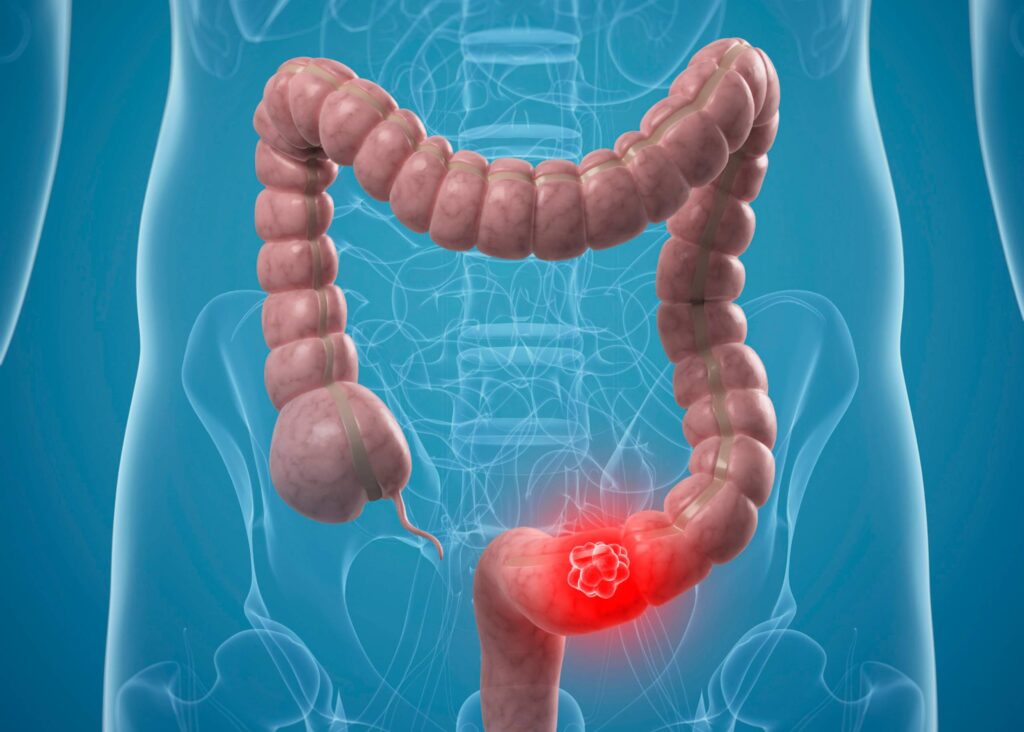
Hearing the words “stomach cancer” or “colon cancer” can feel overwhelming. For many patients, these terms sound similar, leading to confusion.
But the truth is, while both belong to the digestive system, they are not the same disease. Understanding the difference matters, especially if you’re considering medical treatment abroad.
This guide explains the differences, overlaps, and what global patients should know before planning cancer treatment in India or the UAE.
Is Stomach Cancer the Same as Colon Cancer?
No, stomach cancer and colon cancer are not the same. Stomach cancer begins in the stomach lining, while colon cancer starts in the large intestine. They affect different organs, have distinct risk factors, and require different treatments.
Key Takeaways
- Stomach cancer (gastric) and colon cancer (colorectal) are different cancers, though both affect the digestive system.
- They differ in location, risk factors, symptoms, and treatment approaches.
- Some symptoms overlap, which can confuse patients seeking a diagnosis.
- Both cancers can rarely occur together, requiring careful screening.
- Medical tourists benefit from knowing these differences to plan treatment in India or the UAE.
What Are Stomach (Gastric) and Colon (Colorectal) Cancers?
- Stomach cancer begins in the lining of the stomach, often linked to conditions like chronic gastritis, H. pylori infection, or diets high in smoked foods. The most common type is adenocarcinoma.
- Colon cancer, also called colorectal cancer, starts in the large intestine or rectum. Risk factors include age, family history, polyps, obesity, and diets low in fiber.
Both cancers fall under gastrointestinal (GI) cancers, but their biology and management are not identical.
Key Differences Between Stomach and Colon Cancer

Here’s a clear comparison to help understand the distinction:
| Feature | Stomach Cancer | Colon Cancer |
| Location | Lining of the stomach | Large intestine/rectum |
| Common Risk Factors | H. pylori infection, high-salt diet, smoking | Family history, polyps, obesity, low-fiber diet |
| Symptoms | Indigestion, bloating, nausea, stomach pain | Changes in bowel habits, rectal bleeding, abdominal cramps |
| Diagnosis | Endoscopy, biopsy | Colonoscopy, biopsy |
| Treatment | Surgery, chemo, targeted therapy | Surgery, chemo, immunotherapy |
| Survival Outlook | Depends on the stage, often diagnosed late | Often, better outcomes are achieved if detected early |
In short, while both cancers are serious, their detection and treatment paths differ.
Overlaps, Similarities & Why People Confuse Them
Both cancers:
- It can cause abdominal discomfort.
- They are diagnosed through endoscopic or imaging techniques.
- May require surgery and chemotherapy.
Since symptoms like stomach pain, fatigue, or weight loss are common, it’s easy for patients to mistake one for the other. This makes early, accurate diagnosis essential.
Synchronous or Metachronous Gastric & Colon Cancers
Rarely, a patient can develop both cancers either at the same time (synchronous) or years apart (metachronous).
Studies show this is uncommon but highlight why comprehensive screening is critical, especially for high-risk patients.
For medical tourists, this underlines the importance of seeking treatment centers with advanced diagnostic tools in India or the UAE.
Implications for Medical Tourists (Why Knowing the Difference Matters)
For patients considering medical tourism, distinguishing between the two cancers affects:
- Treatment planning: Surgery for colon cancer differs from gastric cancer procedures.
- Cost estimates: Colon cancer care may require immunotherapy, while stomach cancer often involves targeted therapy.
- Hospital selection: Some centers specialize in colorectal care, others in gastric oncology.
Knowing your diagnosis ensures you choose the right destination and specialists.
How to Choose a Treatment Destination (India / UAE)
When comparing destinations, keep in mind:
- Expertise: Leading hospitals in India and the UAE have dedicated GI oncology departments.
- Technology: Robotic surgery, advanced endoscopy, and genetic testing improve outcomes.
- Cost: India is often more affordable, while the UAE offers world-class care with proximity to GCC patients.
- Patient support: Look for centers offering translators, visa assistance, and post-treatment follow-up.
Book Medical Tourism With Globalite Health
Globalite Health connects patients worldwide with top oncology centers in India and the UAE. From diagnosis to recovery, our team handles travel, hospital coordination, and personalized support.
🌍 Book medical tourism with Globalite Health now and access world-class cancer care.
Frequently Asked Questions
1. Is stomach cancer more deadly than colon cancer?
Both are serious, but colon cancer often has higher survival rates when detected early.
2. Can stomach cancer spread to the colon?
Yes, though rare, advanced stomach cancer can metastasize to the colon.
3. Do stomach and colon cancers share symptoms?
Yes, both may cause abdominal pain, weight loss, and fatigue.
4. Which is more common, stomach or colon cancer?
Colon cancer is more common globally, especially in Western countries.
5. Where is the best place for cancer treatment abroad?
India and the UAE are leading destinations for affordable and advanced cancer treatment.
Conclusion
Stomach cancer and colon cancer are not the same, though they share certain features. Understanding the differences helps patients make informed choices, especially when seeking treatment abroad.
Whether you’re considering India for cost-effective care or the UAE for proximity and advanced facilities, knowing your diagnosis is the first step.
Take charge of your health today with Globalite Health and connect with trusted cancer specialists.