

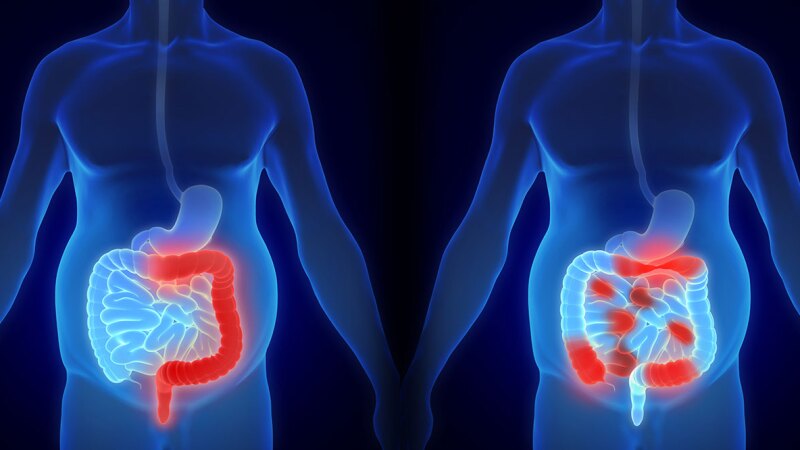
A stage 3 colon cancer diagnosis can feel overwhelming, but it’s not the end of the road. With the right treatment, support, and medical team, survival rates are improving worldwide.
This guide breaks down what stage 3 colon cancer really means, how prognosis is determined, and why many patients are choosing treatment options in countries like the UAE and India through medical tourism.
What Is the Prognosis for Stage 3 Colon Cancer?
Stage 3 colon cancer means the cancer has spread to nearby lymph nodes but not to distant organs. Prognosis depends on factors like the number of affected nodes, tumor depth, and overall health.
On average, the 5-year survival rate ranges between 53% and 90%, depending on the substage and treatment plan. Early, well-coordinated care makes a major difference.
Key Takeaways
- Stage 3 colon cancer is serious but highly treatable with modern surgery and chemotherapy.
- Prognosis depends on substage (IIIA, IIIB, IIIC), tumor biology, and access to care.
- Adjuvant chemotherapy significantly boosts survival after surgery.
- Medical tourism in the UAE and India offers affordable, timely, and advanced treatment options.
- Long-term follow-up and healthy lifestyle changes help reduce recurrence risk.
Stage 3, Explained Simply, and Why Prognosis Varies
Stage 3 colon cancer is divided into three substages: IIIA, IIIB, and IIIC. The lower the substage, the fewer lymph nodes involved, and the higher the survival odds.
Other factors like tumor grade, molecular markers, and access to post-surgery care can change your outlook. Even lifestyle habits and how quickly you begin chemotherapy can affect recovery.
What Do Survival Numbers Look Like? Reading the Stats Right
According to the American Cancer Society, the 5-year relative survival rate for regional colon cancer (which includes stage 3) is about 71%. In the UK, Cancer Research UK reports survival between 53% and 90%, depending on how far the disease has spread.
Remember, these numbers reflect averages, not certainties. Your personal outcome depends on treatment response and overall health.
Quick Table: Survival Context at a Glance
| Data Source | Population | Measure | 5-Year Estimate | Notes |
| American Cancer Society (US) | Regional disease | Relative survival | ~71% | Includes most stage 3 cases |
| Cancer Research UK | Stage 3 | Overall survival | 53–90% | Varies by substage and treatment |
Substage Matters: IIIA vs IIIB vs IIIC
Substages show how deeply the tumor has grown and how many nodes are involved. Stage IIIA has the best outlook, often with 5-year survival near 90%. Stage IIIC may drop to around 53%.
Doctors use these distinctions to personalize chemotherapy plans and follow-up intensity, ensuring patients get the best possible results.
Treatments That Improve Outcomes, and By How Much

Treatment typically starts with surgery to remove the tumor and affected lymph nodes. This is followed by adjuvant chemotherapy, commonly FOLFOX or CAPOX, for six months.
Studies show that chemo after surgery can reduce recurrence risk by 30–40%. Shorter 3-month courses are also effective for lower-risk stage 3 cases, minimizing side effects while preserving benefits.
Biomarkers That Shift Prognosis and Treatment Choice
Biomarkers like MSI-H or dMMR can make a big difference. Patients with these genetic traits often respond better to immunotherapy and may need modified chemo plans.
While immunotherapy is still being studied for stage 3, it’s showing promising results in improving long-term outcomes.
Prognosis in the Real World: Access, Wait Times, and Centres of Excellence
Outcomes improve dramatically when surgery and chemo happen on time. Unfortunately, in many countries, treatment delays due to cost or hospital wait times affect survival.
High-volume centres in the UAE and India have emerged as global treatment hubs, offering world-class oncology teams and faster timelines for international patients.
Considering Care in the UAE and India: What Patients Can Expect
For medical tourists, the care pathway usually includes diagnosis, surgery, adjuvant chemo, and follow-up within 6–8 months.
Hospitals in Dubai, Abu Dhabi, and Indian cities like Mumbai, Delhi, and Chennai are equipped with advanced oncology units, experienced surgeons, and multilingual staff. Patients benefit from shorter wait times, personalized treatment, and lower costs, often 50–70% less than in the US or UK.
Cost and Package Transparency, At a Glance
| Step of Care | What’s Included | Typical Range (USD) | Notes |
| Diagnostic Work-up | Scans, blood tests, biopsy | 800–1,200 | Pre-surgery evaluation |
| Surgery | Tumor removal, hospital stay | 4,000–6,000 | Depends on complexity |
| Chemotherapy | Per cycle (6–8 total) | 300–600 | Includes drugs and monitoring |
| Follow-up Imaging | CT scans, lab reviews | 150–300 | Every 6 months |
Example Pathways by Region
Patients from Africa, the UK, or the GCC often start with a remote consultation, receive a treatment plan, and travel for surgery. Adjuvant chemo usually starts 4–8 weeks later, with virtual follow-ups once they return home.
Life After Treatment: Reducing Recurrence Risk and Tracking Health
After completing treatment, patients enter a five-year surveillance phase with regular colonoscopies, CT scans, and blood tests.
Staying active, eating balanced meals, and avoiding smoking can help lower the risk of recurrence. Many hospitals offer survivorship programs to monitor long-term recovery and mental health.
Frequently Asked Questions
1. What is the 5-year survival for stage 3 colon cancer?
Between 53% and 90%, depending on substage and treatment response.
2. Is chemo always needed after surgery for stage 3?
Yes, adjuvant chemotherapy is standard to prevent recurrence.
3. Does MSI-H change treatment and prognosis in stage 3?
Yes, MSI-H tumors often have a better prognosis and may respond differently to chemo.
4. How soon should chemo start after surgery?
Ideally, within 6 to 8 weeks to maximize effectiveness.
5. Can I receive part of my treatment at home and travel for key steps?
Yes, many hospitals coordinate shared care for chemo and follow-ups.
6. What follow-up tests are standard after stage 3 treatment?
CT scans, colonoscopies, and CEA blood tests every 6–12 months.
Book Medical Tourism with Globalite Health
If you or a loved one has been diagnosed with stage 3 colon cancer, Globalite Health connects you with leading hospitals in the UAE and India for fast, affordable, and world-class care.
Schedule your consultation today at www.globalitehealth.com and start your treatment journey with expert guidance and compassion.