


Serious blood disorders can turn lives upside down. When standard treatments stop working, a bone marrow transplant can offer new hope.
This procedure replaces damaged cells with healthy ones, restoring the body’s ability to produce normal blood. For many patients, it’s not just a treatment — it’s a second chance at life.
Today, patients travel from Africa, the UK, and across the GCC to India and the UAE for bone marrow transplants. Globalite Health helps connect them with trusted hospitals and experienced specialists.
Key Takeaways
- A bone marrow transplant replaces damaged marrow with healthy stem cells to treat serious blood diseases.
- It can be autologous (your own cells) or allogeneic (donor cells).
- Recovery takes months but offers a chance at full remission.
- India and the UAE are top destinations for advanced yet affordable bone marrow transplants.
- Globalite Health helps patients worldwide access world-class care with full medical tourism support.
What Is a Bone Marrow Transplant?
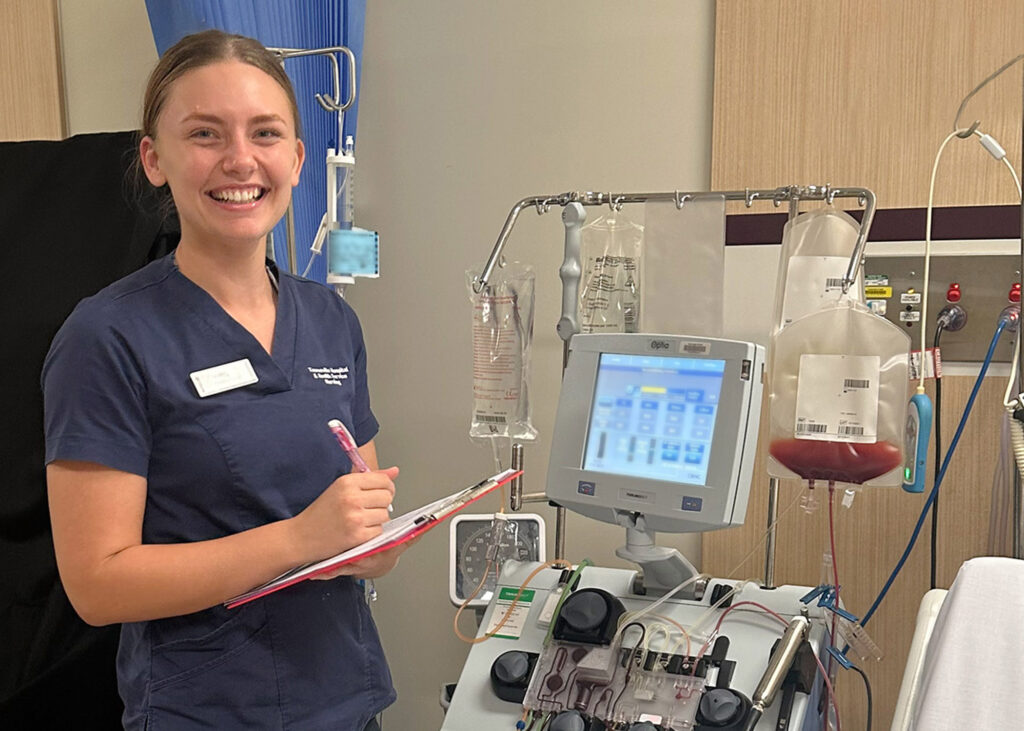
A bone marrow transplant is a medical procedure that replaces diseased or damaged bone marrow with healthy stem cells.
These cells help the body make new red blood cells, white blood cells, and platelets — all vital for immune function and oxygen transport.
When the bone marrow is affected by cancer or destroyed by chemotherapy, this transplant restores normal blood production and immune defence.
Why Is a Bone Marrow Transplant Done?
Doctors recommend a bone marrow transplant for diseases that affect blood or bone marrow function. Common conditions include leukaemia, lymphoma, aplastic anaemia, multiple myeloma, and certain immune deficiencies.
The goal is to replace faulty cells with healthy ones that can rebuild the patient’s immune system. Success rates vary by condition, but in many cases, transplants have survival rates of 60–90 percent depending on disease stage and donor match.
For many families, it’s the only path to long-term recovery.
Types of Bone Marrow Transplants
Autologous Transplant
In an autologous transplant, doctors use the patient’s own stem cells. These cells are collected, stored, and later reintroduced after chemotherapy or radiation therapy.
It reduces the risk of rejection, but it’s only an option if the patient’s marrow is healthy enough to harvest.
Allogeneic Transplant
An allogeneic transplant uses stem cells from a donor — often a sibling or matched volunteer. This type can treat genetic conditions or cancers where the patient’s own marrow isn’t usable.
The biggest challenge is matching donor tissue type. If mismatched, the body may attack the donor cells, a condition called graft-versus-host disease.
Haploidentical & Cord Blood Transplants
In some cases, only a half-matched donor is available. That’s when doctors use haploidentical transplants, which have improved survival rates thanks to modern immunosuppressing drugs. Umbilical cord blood transplants, meanwhile, use stem cells collected from newborns’ umbilical cords.
| Type | Source | Key Benefit | Typical Use |
| Autologous | Patient’s own cells | Lower rejection risk | Lymphoma, multiple myeloma |
| Allogeneic | Donor cells | Treats genetic or marrow disorders | Leukaemia, aplastic anaemia |
| Haploidentical | Half-matched relative | Expands donor pool | When a full match is unavailable |
| Cord Blood | Umbilical cord cells | Easy to store and match | Paediatric transplants |
How the Procedure Works
A bone marrow transplant happens in several steps:
- Pre-Transplant Testing: Doctors check heart, lung, and kidney health.
- Conditioning Therapy: High-dose chemotherapy or radiation clears out diseased marrow.
- Stem Cell Infusion: Healthy cells are infused through an IV, similar to a blood transfusion.
- Engraftment: Over the next 2–4 weeks, the new cells begin producing blood cells.
Patients usually stay in the hospital for 3–4 weeks under strict infection control. Hospitals in India and the UAE have advanced isolation units and multidisciplinary teams that monitor recovery closely.
Risks and Possible Complications
Every medical procedure carries risks, and a bone marrow transplant is no exception. Common complications include infections, graft failure, or organ stress due to high-dose treatments.
However, advances in technology and infection management have greatly improved safety. Leading centres in India and the UAE use HEPA-filtered rooms, continuous monitoring, and global clinical standards to reduce these risks.
Recovery and Post-Transplant Care
Recovery is gradual. The immune system can take months to rebuild, so patients must follow strict hygiene and dietary precautions.
Regular follow-ups and blood tests ensure the new marrow is working properly. Nutrition, exercise, and emotional support all play a role in regaining strength.
Globalite Health assists patients even after discharge, coordinating follow-ups, accommodation, and translation support for international families.
Why Patients Choose India and the UAE for Bone Marrow Transplants
For global patients, India and the UAE offer the perfect blend of world-class care and affordability.
Hospitals here are JCI-accredited and led by internationally trained oncologists.
- Cost Advantage: Treatment can cost 60–80% less than in the US or UK.
- Expertise: Hundreds of successful transplants performed annually.
- Accessibility: Shorter waiting times and easy visa processing.
For example, a transplant costing over $200,000 in the US can often be completed in India or the UAE for around $30,000–$50,000, depending on complexity.
This affordability, combined with top-tier facilities, makes these regions leading hubs for medical tourism.
How Globalite Health Helps with Medical Tourism
Globalite Health bridges the gap between international patients and trusted hospitals in India and the UAE. They help with every step — from medical consultation and visa processing to travel, accommodation, and follow-up coordination.
Whether you need an expert opinion, cost estimate, or seamless end-to-end care, Globalite Health ensures your journey is smooth and transparent.
Book your medical tourism experience with Globalite Health today and access world-class bone marrow transplant services abroad.
Frequently Asked Questions
1. How long does a bone marrow transplant take?
The procedure itself takes a few hours, but the hospital stay and recovery may last several weeks.
2. Is a bone marrow transplant painful?
The infusion feels similar to a blood transfusion. Some side effects, like fatigue and soreness, are common afterward.
3. What is the success rate of bone marrow transplant?
It varies by disease type and donor match, ranging from 60% to over 90% in many cases.
4. How long does recovery take?
Initial recovery takes about three months, though full immune recovery can take a year or more.
5. Can foreign patients get bone marrow transplants in India or the UAE?
Yes. Both countries have internationally accredited hospitals offering transplants to global patients.
6. How much does a bone marrow transplant cost globally?
It ranges from $30,000–$50,000 in India and the UAE to over $200,000 in Western countries.
Conclusion
A bone marrow transplant is a life-saving option for patients battling serious blood disorders. While the journey requires courage and patience, success stories continue to grow every year.
If you’re exploring treatment options abroad, Globalite Health can guide you from start to finish — ensuring safe, affordable, and high-quality care in India or the UAE. Your healing journey can start today.