

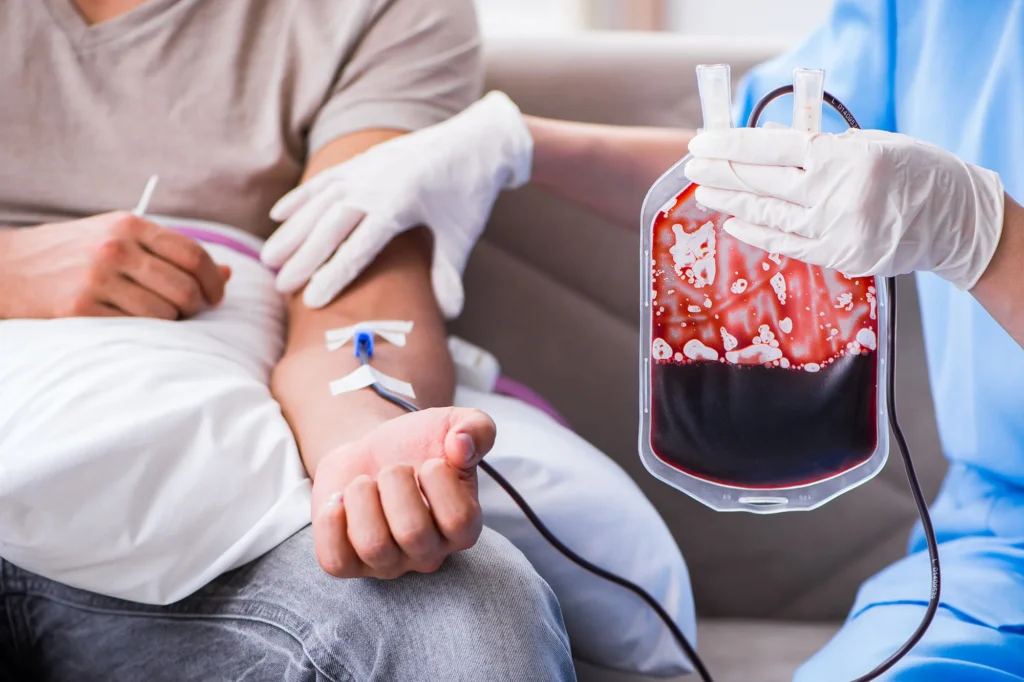
Many people wonder if a blood transfusion can change their personality. It’s a common concern, especially for medical tourists seeking treatment abroad.
You might have heard stories online about personality shifts after receiving blood. These tales can feel alarming, but most are myths.
In this guide, we’ll explore the facts about blood transfusions, explain why personality doesn’t change, and offer safety insights for international patients.
Can a Blood Transfusion Change Your Personality
Blood transfusions do not change your personality; any perceived changes are due to emotional or physical recovery effects.
Key Takeaways
- Blood transfusions are medically safe procedures and do not alter personality.
- Any perceived changes are usually due to psychological or emotional responses.
- Compatibility and safety protocols in the UAE and India ensure minimal risk for medical tourists.
- Understanding how transfusions work helps dispel common myths.
- Patients can focus on recovery and overall well-being without fear of personality shifts.
What Is a Blood Transfusion?
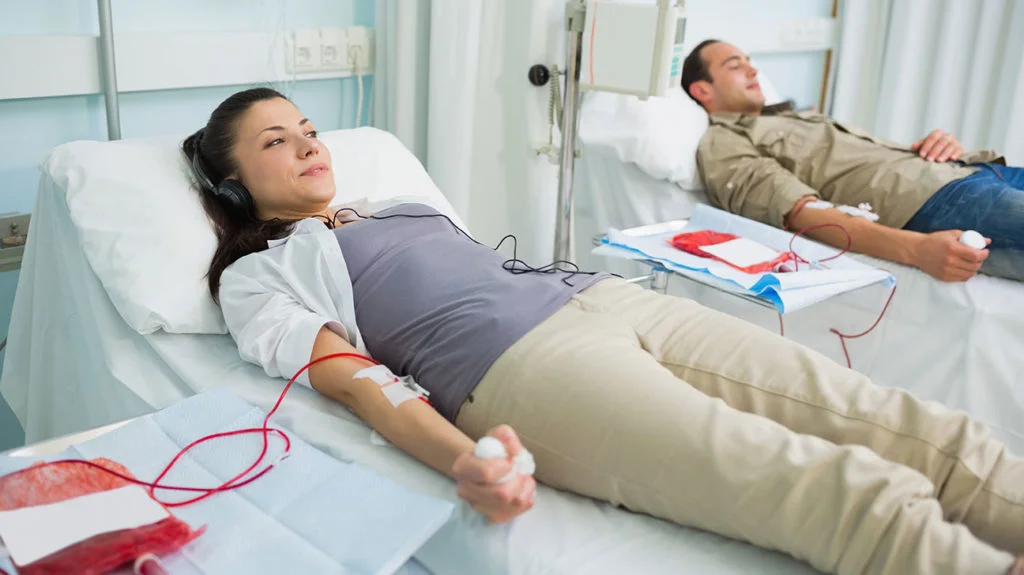
A blood transfusion is a medical procedure where donated blood is introduced into a patient’s bloodstream. It replaces lost components like red blood cells, plasma, or platelets.
Types of Blood Transfusions:
| Type | Purpose |
| Red Blood Cells | Treat anemia or blood loss |
| Plasma | Support clotting, treat burns, or liver issues |
| Platelets | Help clotting in patients with low platelet counts |
| Whole Blood | Rare, for severe blood loss |
Patients often need transfusions after surgery, accidents, or chronic conditions. For medical tourists, understanding this procedure ensures confidence when seeking treatment abroad.
Can Blood Transfusions Affect Personality?
Scientifically, blood transfusions do not change personality. Personality traits are rooted in brain chemistry and life experiences, not blood composition.
Some myths suggest that receiving blood from someone else could transfer traits or memories. These are not supported by medical evidence. Rarely, patients may experience temporary mood changes due to medications, immune responses, or emotional stress surrounding treatment.
Example Case: A patient reported feeling unusually energetic after a transfusion. Doctors clarified it was likely due to improved oxygen levels and recovery from anemia, not a personality shift.
In short, any changes after a transfusion are temporary and related to health recovery, not inherent personality traits.
How Blood Transfusions Work in the Body
When a patient receives a transfusion, blood is carefully matched for compatibility, including blood type and Rh factor. The process includes:
- Screening donor blood for infections.
- Cross-matching to ensure compatibility.
- Administering the transfusion under medical supervision.
Once transfused, the new blood helps restore oxygen levels, clotting ability, or platelet count. Your body’s immune system monitors the new blood but does not alter your brain or personality.
Psychological and Emotional Factors After a Transfusion
Some patients notice mood changes after a transfusion. These are normal and often linked to:
- Relief from improved health or energy.
- Reduced stress from successful treatment.
- Temporary fatigue or mild anxiety during recovery.
These emotional responses can feel like a “shift,” but they are different from personality change. Practicing mindfulness, resting, and following medical advice can help stabilize mood during recovery.
Blood Transfusion Safety for Medical Tourists
International patients seeking transfusions in the UAE or India benefit from stringent safety protocols:
- Screening and Testing: Donor blood is thoroughly tested for infections.
- Compatibility Checks: Blood type and Rh factor are matched precisely.
- Monitoring: Patients are observed for allergic reactions or other complications.
Safety Checklist for Medical Tourists:
| Step | Detail |
| Pre-Procedure Consultation | Discuss health history and risks |
| Donor Screening | Confirm infection-free blood |
| Crossmatching | Ensure correct blood type match |
| Post-Transfusion Observation | Monitor for reactions or discomfort |
Booking a transfusion through Globalite Health ensures expert guidance, access to top hospitals, and complete safety measures. Book medical tourism with us now.
Frequently Asked Questions
1. Can a blood transfusion transfer traits or memories?
No. Personality traits and memories are stored in the brain, not the blood.
2. Are there long-term effects of a blood transfusion?
Long-term effects are rare. Most patients recover fully without personality changes.
3. How soon will I feel better after a transfusion?
Many patients notice improved energy within a few hours to days, depending on the condition treated.
4. Are transfusions safe abroad for medical tourists?
Yes. Hospitals in the UAE and India follow strict international safety protocols for blood transfusions.
5. Can I refuse a transfusion if worried about personality changes?
Yes. Informed consent is a patient’s right, and doctors can discuss alternatives if needed.
Conclusion
Blood transfusions are safe, medically necessary procedures. Personality changes after a transfusion are myths; any shifts in mood are temporary and related to recovery.
Medical tourists can safely receive transfusions in the UAE or India by following expert guidance and hospital protocols.
If you are considering a blood transfusion abroad, trust in professional care and focus on recovery. Book medical tourism with Globalite Health today to ensure a safe, comfortable experience.