


If you’re worried about unusual bleeding or pelvic pain, an ultrasound may be one of the first tests your doctor suggests.
For women seeking care abroad, it’s natural to wonder if an ultrasound alone can confirm uterine cancer.
This guide breaks down what ultrasound can and cannot do, helping you make informed decisions if you’re considering treatment in places like India or the UAE.
Can Ultrasound Detect Cancer in the Uterus?
Yes, ultrasound can reveal abnormalities such as thickened uterine lining or suspicious masses. However, it cannot confirm cancer; only a biopsy can provide a definitive diagnosis.
Key Takeaways
- Ultrasound can show abnormal changes in the uterus, such as thickened lining or masses.
- It helps guide doctors, but cannot confirm cancer without a biopsy.
- Transvaginal ultrasound is the most effective imaging for uterine evaluation.
- Complementary tests like biopsy, MRI, and hysteroscopy confirm the diagnosis.
- Medical tourists should choose accredited centers with full diagnostic support.
What Is Uterus Cancer?
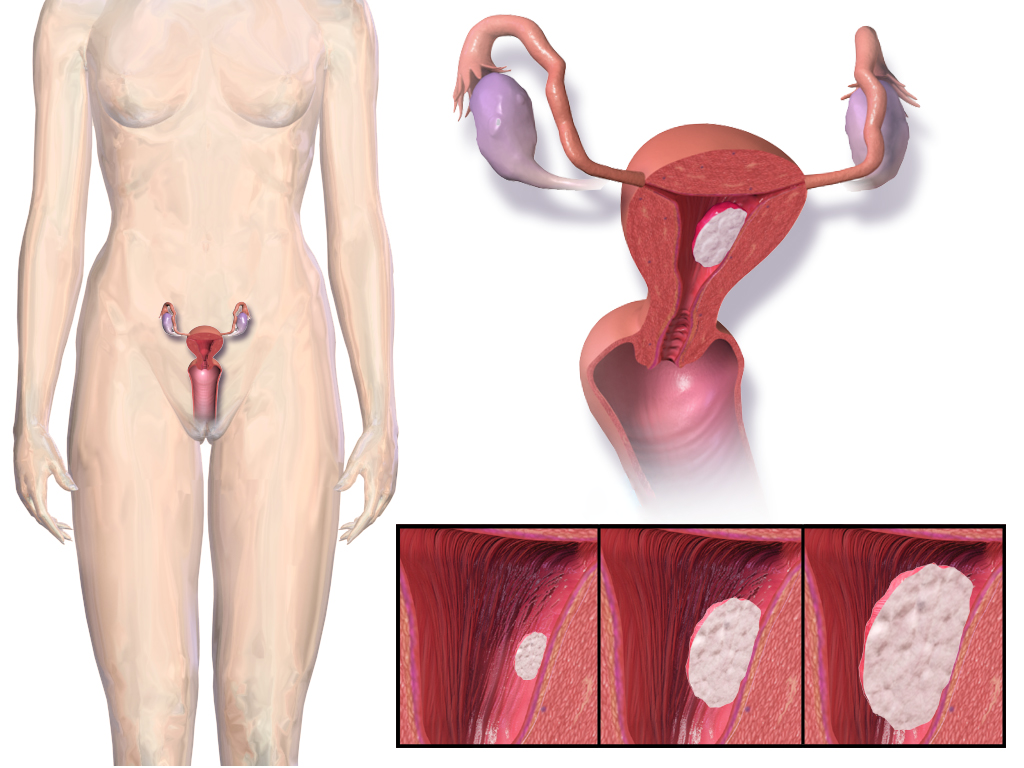
Uterus cancer usually refers to endometrial cancer, which begins in the inner lining of the uterus. Less commonly, it can mean uterine sarcoma, a cancer that develops in the muscle wall.
Typical symptoms include postmenopausal bleeding, irregular bleeding between periods, pelvic discomfort, or abnormal discharge. Early detection is crucial because treatments are more effective when cancer is found at an early stage.
How Ultrasound Works in Gynecology
Ultrasound uses sound waves to create live images of internal organs. In gynecology, it helps doctors assess the size, shape, and texture of the uterus and ovaries.
Two main types are used:
- Transabdominal ultrasound: done over the belly, giving a general view.
- Transvaginal ultrasound (TVU): a probe inserted into the vagina for closer, more detailed images of the uterus and endometrium.
These scans are painless, safe, and widely available, making them the first step in many diagnostic pathways.
Ultrasound’s Role in Detecting Uterine Cancer
Ultrasound is valuable for spotting red flags:
- A thickened endometrium, especially in postmenopausal women.
- Irregular uterine contours or masses.
- Fluid buildup inside the uterus.
Doctors often use ultrasound as a triage tool to decide if further testing is needed. For example, women with postmenopausal bleeding and a thickened lining on ultrasound are usually referred for a biopsy.
So, while ultrasound plays an important role, it serves as the entry point, not the final answer.
Limitations: Why Ultrasound Alone Isn’t Enough
Ultrasound cannot tell whether abnormal tissue is benign or malignant. Conditions like fibroids, endometrial hyperplasia, or polyps may mimic cancer on imaging.
False positives and false negatives are possible, which means relying only on ultrasound could delay or complicate diagnosis.
Factors such as body weight, the presence of fibroids, and even the skill of the operator can affect image clarity. For these reasons, international guidelines recommend follow-up with a biopsy if cancer is suspected.
Complementary Diagnostic Tests
Once an ultrasound suggests a possible issue, further tests confirm the diagnosis:
- Endometrial biopsy: a quick outpatient procedure where tissue from the uterine lining is sampled and analyzed.
- Hysteroscopy with biopsy: allows direct visualization of the uterine cavity and precise tissue sampling.
- MRI or CT scans: used to check if cancer has spread beyond the uterus.
- Doppler or 3D ultrasound: newer techniques that improve visualization but still require biopsy confirmation.
Together, these tests create a clear and accurate diagnosis, guiding treatment plans.
Accuracy, Statistics & Predictive Value
Studies show that transvaginal ultrasound has a sensitivity of around 80% and a specificity of 85% when detecting abnormalities linked to uterine cancer.
A commonly used cutoff is an endometrial thickness greater than 5 mm in postmenopausal women. Anything above this usually warrants further evaluation.
Still, statistics vary depending on equipment quality, patient profile, and medical expertise. These numbers highlight ultrasound’s usefulness, but they also confirm that it’s not sufficient on its own.
Considerations for Medical Tourists
For patients traveling abroad, ultrasound is often the first diagnostic step because it’s affordable and widely available. However, it should be part of a full diagnostic pathway.
When choosing a destination, consider:
- Hospitals with modern imaging equipment and accredited radiologists.
- Availability of on-site pathology labs for quick biopsy analysis.
- Multidisciplinary teams that can handle both diagnosis and treatment.
- Seamless transfer of medical records, scans, and reports for continuity of care.
India and the UAE, for example, offer advanced cancer centers with international accreditations, making them top choices for global patients.
Book Medical Tourism With Us
At Globalite Health, we make your medical journey stress-free. From scheduling ultrasounds to connecting you with top oncologists in the UAE and India, we handle everything.
Book medical tourism with us now at Globalite Health.
Frequently Asked Questions
1. Can ultrasound detect uterine cancer early?
It can identify abnormal changes, but a biopsy is needed to confirm cancer.
2. Is a transvaginal ultrasound painful?
Most women feel mild discomfort, but it’s generally well tolerated.
3. What if the ultrasound looks normal but symptoms persist?
Doctors may still recommend a biopsy, since some cancers don’t appear clearly on scans.
4. How soon do you get ultrasound results?
Often immediately, but a radiologist’s full report may take a day or two.
5. Are there risks in using ultrasound for cancer detection?
No, ultrasound is safe and radiation-free, but it cannot replace a biopsy.
Conclusion
Ultrasound is a valuable tool in evaluating suspected uterine cancer, especially for patients seeking affordable, accessible care abroad.
It provides crucial first insights, but it cannot confirm cancer on its own. A biopsy and additional tests remain essential.For medical tourists, choosing the right center with advanced diagnostics ensures accuracy, speed, and peace of mind. Partner with Globalite Health to access world-class cancer diagnostics and treatment in trusted international hospitals.