


Breast cancer is one of the most common cancers affecting women worldwide.
For many, hearing the word “cancer” sparks fear and confusion. What really causes it? Is it something you can prevent?
This guide breaks down the real science behind breast cancer causes. It explains how medical tourism is helping patients access affordable, high-quality care in leading destinations like the UAE and India.
What Causes Breast Cancer?
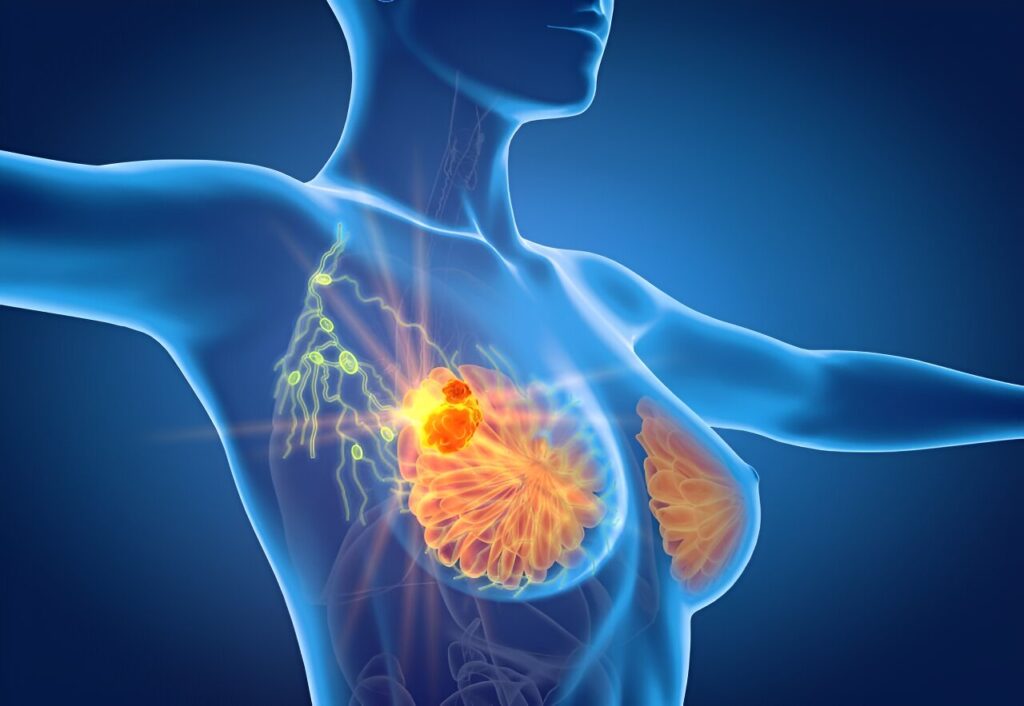
Breast cancer happens when the DNA inside breast cells changes, causing those cells to grow uncontrollably and form a lump or tumor. These mutations can be inherited or develop over time due to hormonal changes, environmental factors, or lifestyle choices.
Key Takeaways
- Breast cancer develops when healthy breast cells mutate and grow uncontrollably.
- Genetics, hormones, and lifestyle factors all contribute to risk.
- Early screening dramatically improves recovery outcomes.
- India and the UAE offer world-class, affordable treatment options for international patients.
- You can access trusted hospitals through Globalite Health.
Understanding How Breast Cancer Develops
Inside the breast, normal cells follow a life cycle of growth, division, and death. When genetic mutations interrupt this process, cells don’t die as they should. Instead, they keep dividing and form a tumor.
Hormones like estrogen and progesterone also play a role, stimulating certain cells to grow faster. If these hormones remain unbalanced or elevated for long periods, they can increase cancer risk.
Inherited mutations, like BRCA1 and BRCA2, make it easier for DNA errors to accumulate, setting the stage for cancer. But most mutations are acquired—meaning they occur during a person’s lifetime rather than being passed down.
Major Causes and Risk Factors of Breast Cancer
Genetic Factors
Some people inherit mutations that increase their risk significantly. The most well-known are BRCA1 and BRCA2, which can raise the lifetime risk of developing breast cancer by up to 70%.
If you have a close relative—like a mother, sister, or daughter—who has had breast cancer, genetic testing may help identify your own risk.
In the UAE and India, top hospitals now offer affordable genetic screening and counseling as part of comprehensive oncology care programs.
Hormonal and Reproductive Causes
Estrogen exposure is one of the biggest hormonal contributors. Women who start menstruation early, reach menopause late, or use hormone replacement therapy for long periods may face higher risks.
Pregnancy can also affect hormones. Women who have their first child after age 30 or who never have children have slightly higher chances of developing breast cancer.
Lifestyle and Environmental Triggers
Modern lifestyles bring additional risks. Excessive alcohol intake, obesity, and a sedentary routine can alter hormone levels and weaken immunity.
Exposure to radiation or certain industrial chemicals may also play a role. The good news? Many of these are modifiable factors—you can lower your risk by maintaining a healthy weight, eating balanced meals, and staying active.
Global Breast Cancer Statistics and Trends
Breast cancer affects nearly 2.3 million women each year, according to the World Health Organization.
While incidence rates are higher in developed countries, low- and middle-income regions are seeing a steady rise due to lifestyle changes and delayed diagnosis.
Early screening programs have dramatically improved survival. In nations like India and the UAE, public awareness campaigns and advanced imaging have made early detection more accessible than ever.
| Region | Annual Cases | 5-Year Survival Rate |
| UAE | ~4,500 | 88% |
| India | ~180,000 | 66% |
| UK | ~55,000 | 85% |
| Africa (avg.) | ~170,000 | 50% |
How Medical Tourism Helps Patients Access Better Breast Cancer Treatment
Why Patients Choose India and the UAE
Global medical travelers are turning to the UAE and India for world-class oncology care. These countries combine modern technology, experienced specialists, and competitive pricing—often a fraction of the cost in Western nations.
Patients also benefit from multilingual care teams, holistic treatment plans, and international patient coordinators who manage everything from visa support to hospital transfers.
Cost Comparison and Accessibility
For example, breast cancer surgery that costs $25,000–$40,000 in the US may range between $6,000–$10,000 in India and $9,000–$12,000 in the UAE, depending on the hospital and treatment type.
Beyond affordability, patients appreciate faster scheduling and a more personalized approach to recovery, combining medical expertise with cultural comfort.
Preventive Steps and Early Detection
Screening and Self-Examination
Early detection saves lives. Women over 40 should schedule annual mammograms, while younger women with a family history should consult a doctor about earlier screening.
Self-examinations can also help. Checking for lumps, nipple discharge, or skin changes once a month builds awareness and prompts timely medical attention.
Lifestyle Adjustments
Prevention isn’t guaranteed, but you can reduce your risk.
Eat a diet rich in vegetables and lean proteins, exercise regularly, and avoid smoking or heavy drinking.
Some health tourism providers even offer “wellness checkup packages” that include breast screening and hormone assessments during travel.
Book Your Medical Tourism for Breast Cancer Treatment with Globalite Health
Looking for trusted, affordable cancer care abroad?
Globalite Health connects international patients to accredited hospitals and top oncology specialists in India and the UAE. From initial consultation to travel coordination, our team handles every detail with transparency and compassion.
Book your medical tourism with us now and access the best breast cancer treatment tailored to your health and budget. Book medical tourism with Globalite Health
Frequently Asked Questions
1. Can breast cancer be prevented completely?
No, but maintaining a healthy lifestyle and regular screening can significantly lower your risk.
2. Is breast cancer hereditary?
Around 5–10% of cases are hereditary, often linked to BRCA gene mutations.
3. What are the early warning signs of breast cancer?
Common signs include lumps, breast pain, nipple discharge, or skin dimpling.
4. Can men get breast cancer, too?
Yes, though rare, about 1% of all breast cancer cases occur in men.
5. How is breast cancer treated in India and the UAE?
Treatment may include surgery, radiation, chemotherapy, and targeted therapy using global best practices.
6. How does age affect breast cancer risk?
Risk increases with age, especially after 50, but younger women can still be affected.
Conclusion
Breast cancer is complex, but knowledge brings power. Understanding the causes, genetic, hormonal, and lifestyle, helps you make proactive choices.
With early screening and access to modern treatment, recovery rates are better than ever. If you’re exploring medical tourism for breast cancer care, Globalite Health is your trusted partner for expert, compassionate guidance.